Naoyuki Yanagihara– Author –

-

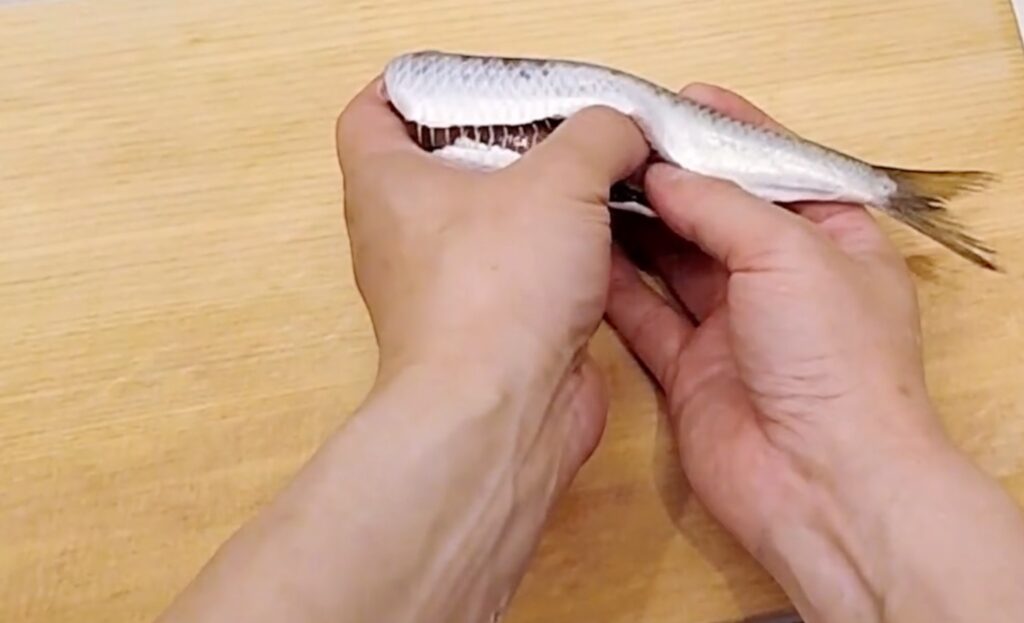
Hand-Filleting Sardines 【手開き】
Tebiraki is a traditional Japanese technique for preparing sardines by opening the fish with your hands instead of using a knife. While most fish in Japanese cuisine are filleted into three pieces with a knife, sardines are a little... -
Why Don’t Japan’s Traditional Women Divers Wear Wetsuits?-The Sustainable Wisdom Behind One of Japan’s Oldest Diving Traditions
On ”Marine Day,” Japan's national holiday celebrating the ocean, I'd like to share a story about one of the country's most remarkable coastal traditions. Although Chiba Prefecture lies just east of Tokyo, it is surrounded by the sea... -
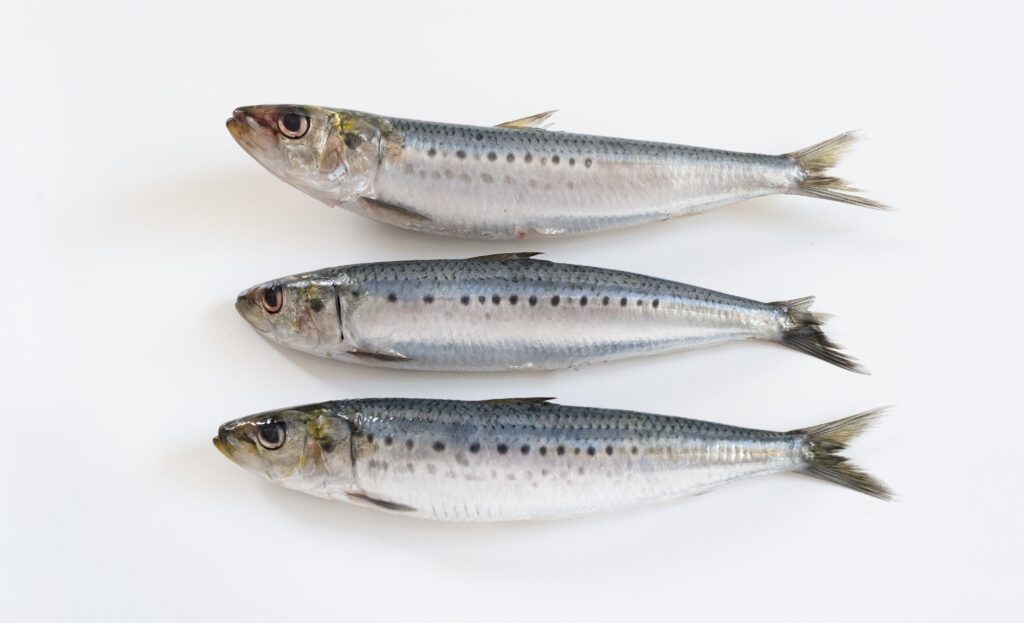
July -”Sardines”
Sardines are one of the most widely caught fish in the world and have been enjoyed in Japan for centuries. They're affordable, nutritious, and full of flavor, making them a favorite ingredient in home cooking. The three main types of sar... -
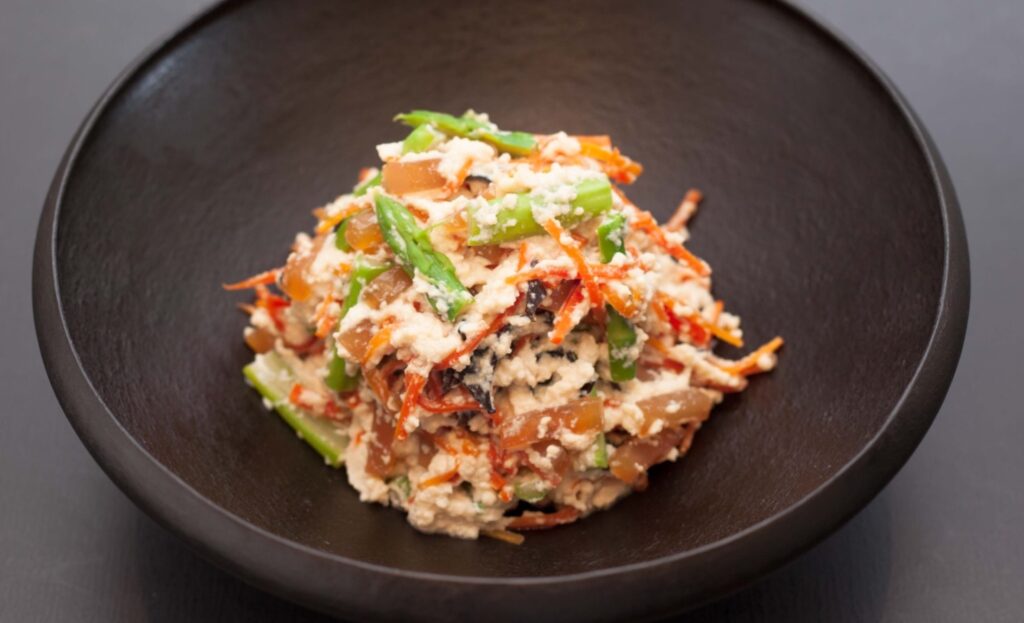
Shira-ae 【白和え】
Shira-ae is one of Japan's classic dressed vegetable dishes. It uses tofu—a soft, mild soybean curd—as the base of a creamy dressing that coats vegetables and other ingredients. The most important step in making good shira-ae is removin... -
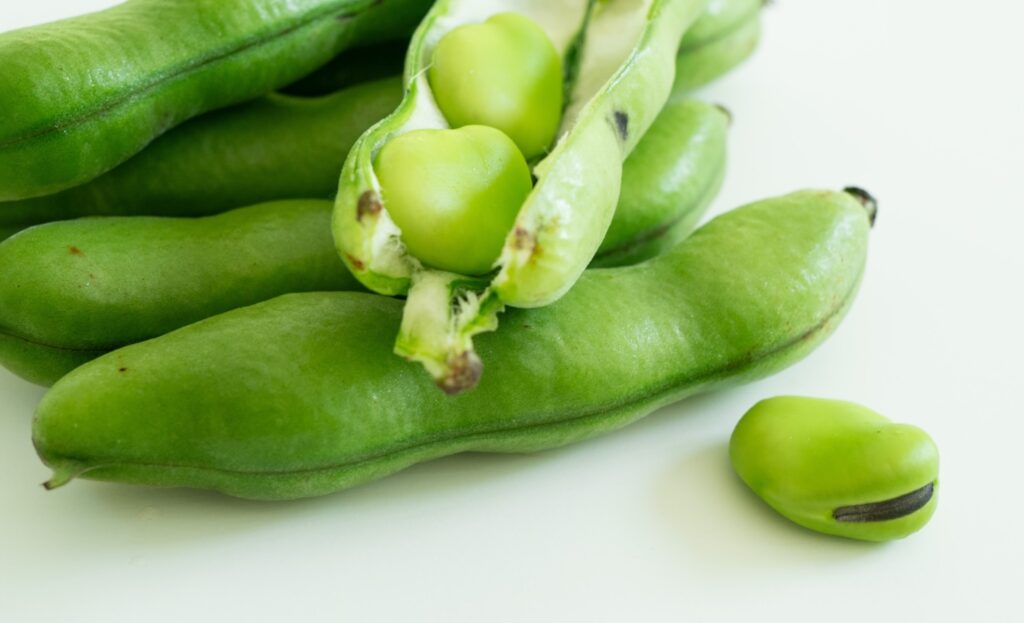
June – ”Broad Beans”
Broad beans (fava beans in the United States), known as soramame in Japanese, are one of Japan's most beloved seasonal vegetables, signaling the arrival of spring and early summer. Interestingly, soramame can be written wi... -
Why Horse Mackerel Tastes Best During Japan’s Rainy Season
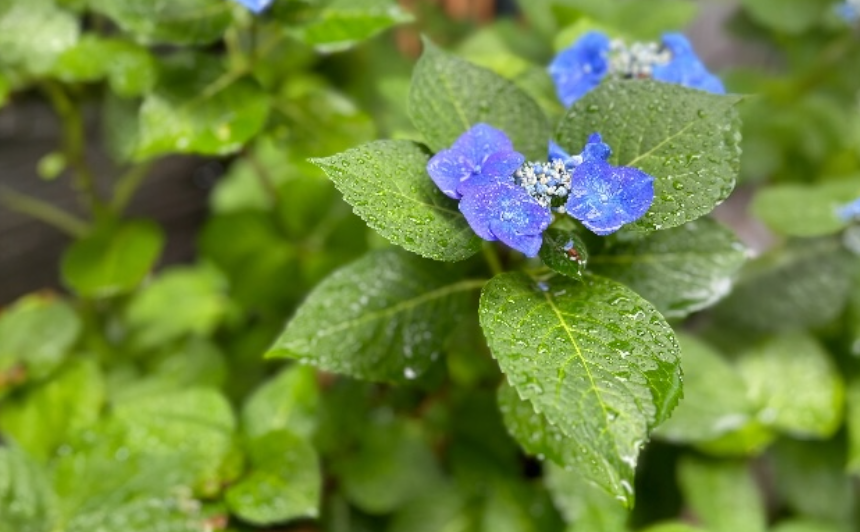
Around the time when hydrangeas are beautifully covered with the gentle rain of Japan's rainy season, nature is quietly preparing one of the year's best seafood treats. The rainy season is essential for growing crops, but it also has a r... -
May- “Green Beans (Ingen)”
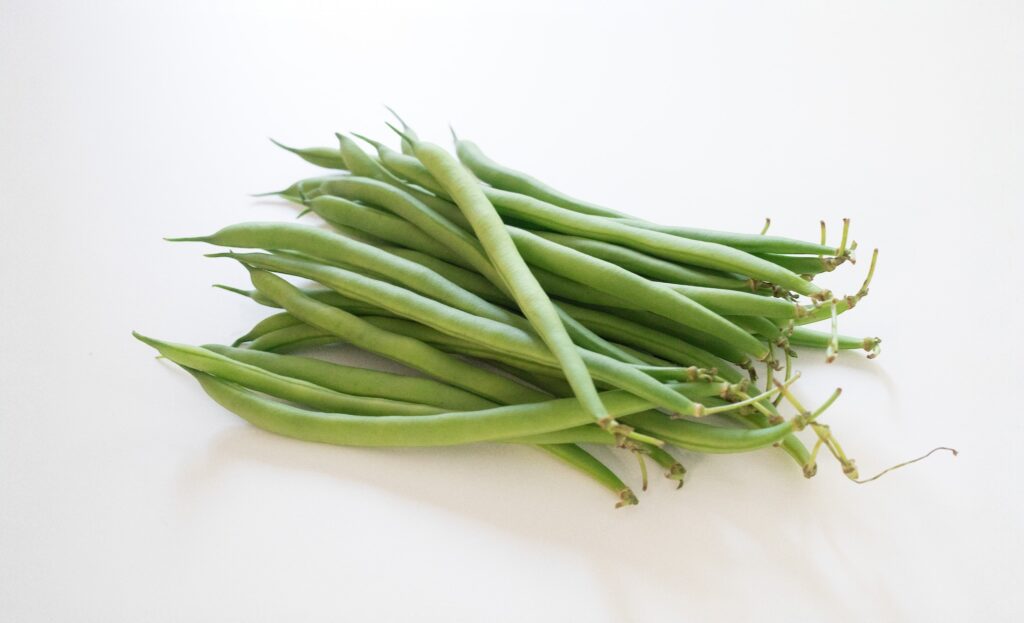
Green beans (”ingen”) are said to have been brought to Japan from China during the Edo period by Ingen Zenji, the Buddhist monk who introduced the culture of ”sencha” tea to Japan. In fact, the vegetable itself is believed to h... -
Itame-ni【炒め煮】
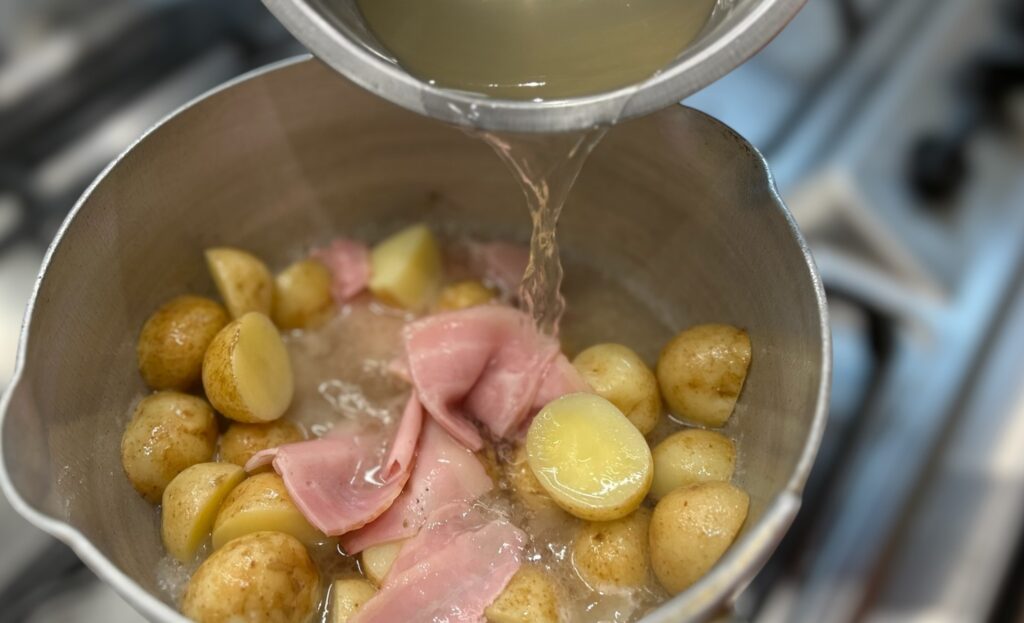
Itame-ni is a Japanese cooking method in which ingredients are first sautéed in oil and then simmered in dashi broth. Traditionally in Japanese cooking, the more common approach was to first parboil the ingredients and the... -
What Is the Foot Ring on Japanese Bowls and Why Does It Matter?
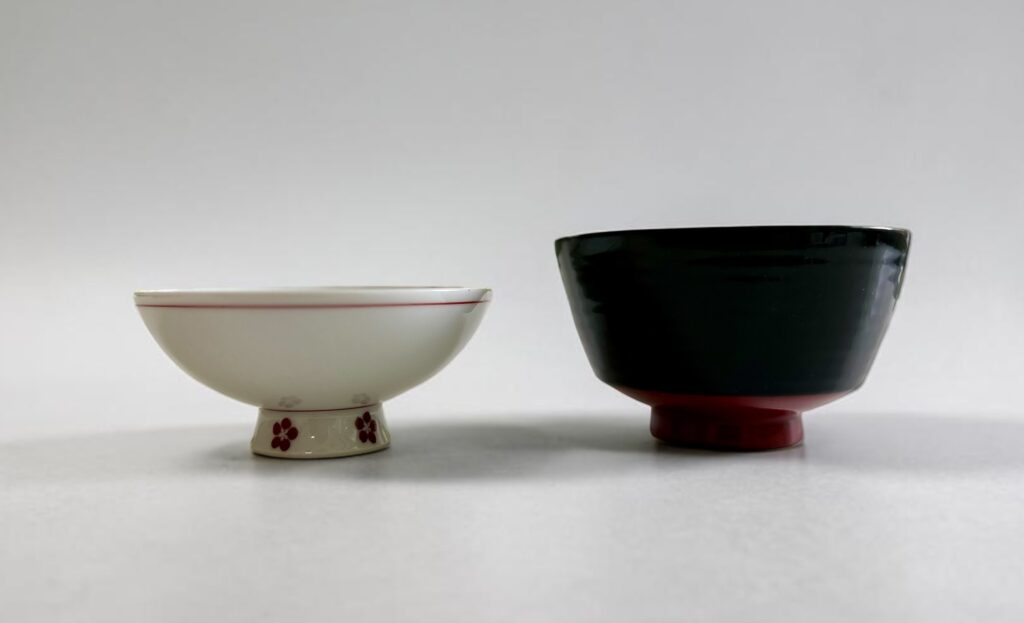
In Japan, many everyday bowls—like rice bowls and soup bowls—have a slightly raised ring on the bottom. If you’re used to Western tableware, you might not have noticed this detail before, since many dishes outside Japan don’t have this f... -
April – ”Sakura Shrimp”
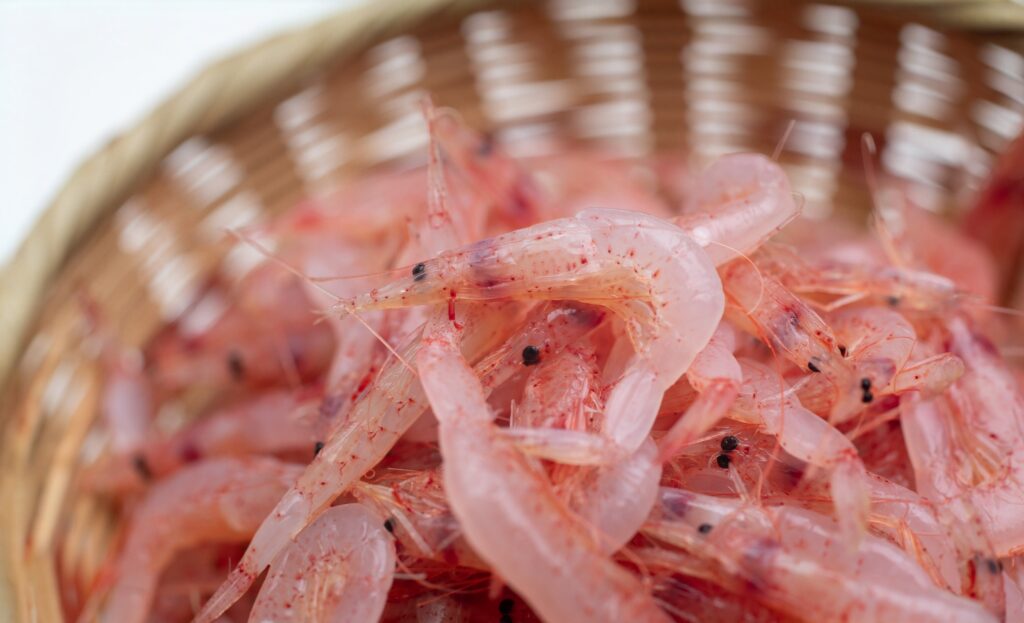
Sakura shrimp are a spring delicacy in Japan, known for their beautiful pink color and rich, aromatic flavor. They are quite rare outside Japan, which makes them a special seasonal ingredient even within Japan. What makes them even more ...