
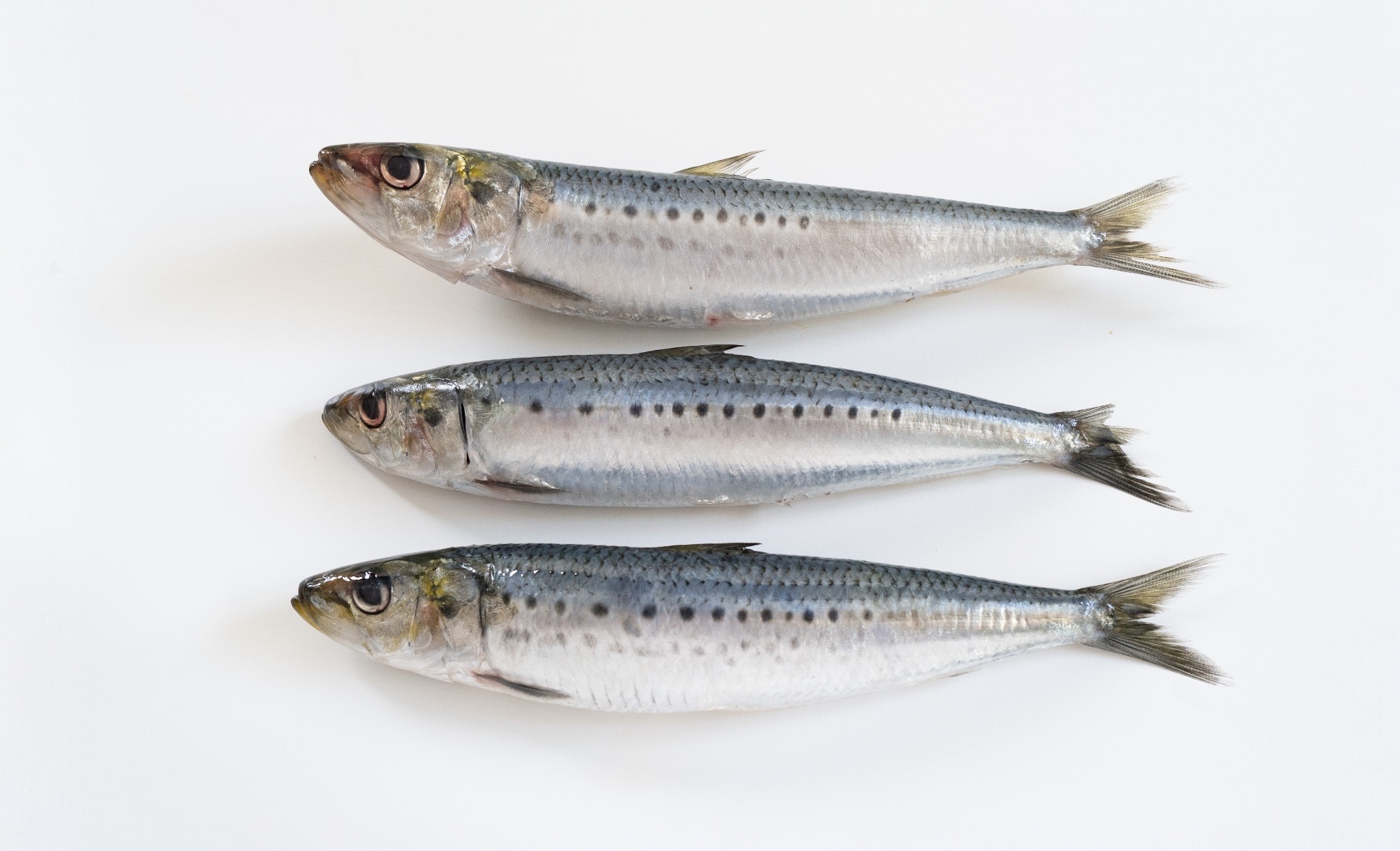
Sardines are one of the most widely caught fish in the world and have been enjoyed in Japan for centuries. They’re affordable, nutritious, and full of flavor, making them a favorite ingredient in home cooking.
The three main types of sardines found in Japan are maiwashi (Japanese sardine), katakuchi iwashi (Japanese anchovy), and urume iwashi (round herring). Among them, maiwashi is especially popular for its rich flavor when it’s in season.
One of the best things about sardines is how easy they are to prepare. Instead of using a knife, Japanese cooks often use a traditional technique called ”tebiraki” (“hand-filleting”), opening the fish with nothing more than their fingers. It may sound surprising at first, but once you try it, you’ll find it’s actually quicker and often cleaner than using a knife. Even the small rib bones can be removed together with the backbone, making fish preparation much less intimidating for beginners.
One of my favorite ways to enjoy sardines is ”Age Shinjo,” a light and fluffy fried fish cake. The hand-filleted sardines are finely chopped, then mixed with onion, ginger, and ”shiso” (Japanese perilla) before being shaped and fried until golden brown. The outside becomes wonderfully crisp, while the inside stays soft and tender, allowing the natural umami of the sardines to shine.
They’re delicious straight from the fryer, but they’re just as enjoyable once they’ve cooled, making them perfect for lunch boxes or picnics. And if you’re looking for the perfect summer snack, they’re even better served with a cold glass of beer!