Japan has cultivated a rich fermentation culture over many centuries.
Today, fermentation is attracting growing interest from chefs and researchers around the world.
And inspired by Japan’s knowledge and techniques, people outside Japan are creating new fermented foods, dishes, and innovative ways of using fermentation—many of which Japanese people themselves might never have imagined.
Fermentation is no longer a culture unique to Japan. Words such as “koji,” “hakkō” (fermentation), and “umami” are becoming part of a shared culinary vocabulary around the world.
The Appeal of Japanese Cuisine Lies in the “Unknown”
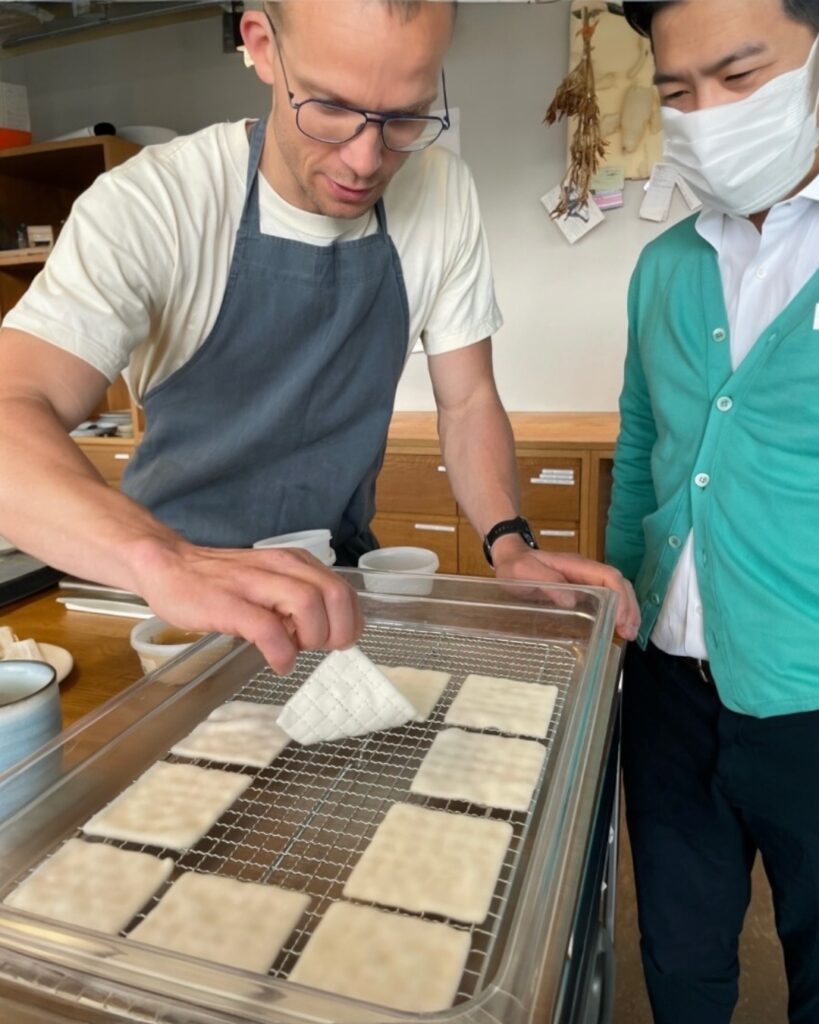
I have had the opportunity to talk about fermentation with chefs from overseas who came to Japan to continue their research into the subject. One conversation in particular left a strong impression on me.
One of them was chef Thomas Frebel, a chef who had previously worked on fermentation at the Danish restaurant Noma and later opened INUA in Iidabashi, Tokyo.
One day, I asked him:
“Why do you continue to study cooking in Japan?”
His answer was very memorable.
“Because there is still so much that is Unknown.”
He explained that Japan still has many ingredients, seasonings, and fermentation techniques that have not yet been fully understood, and that he wanted to learn more about them. That was why he had chosen to remain in Japan.
At that moment, I began to wonder whether it might actually be chefs from overseas, rather than we Japanese ourselves, who are more sensitive to the appeal of Japanese cuisine.
He also frequently used another word: “Different.”
European cuisines have developed a tradition of concentrating flavor by reducing liquids and drawing aromas into oils to create distinctive flavors.
Japanese cuisine, on the other hand, has traditionally brought out umami by transforming ingredients through drying and fermentation, while also incorporating the aromas created through fermentation into the finished dish.
Both traditions seek to create something delicious, but the ways in which they achieve that goal are quite different. Talking with him about these differences helped me see more clearly a contrast between Japanese cuisine and cuisines from other parts of the world that I had previously sensed only vaguely.
Why Koji Culture Is Spreading Around the World
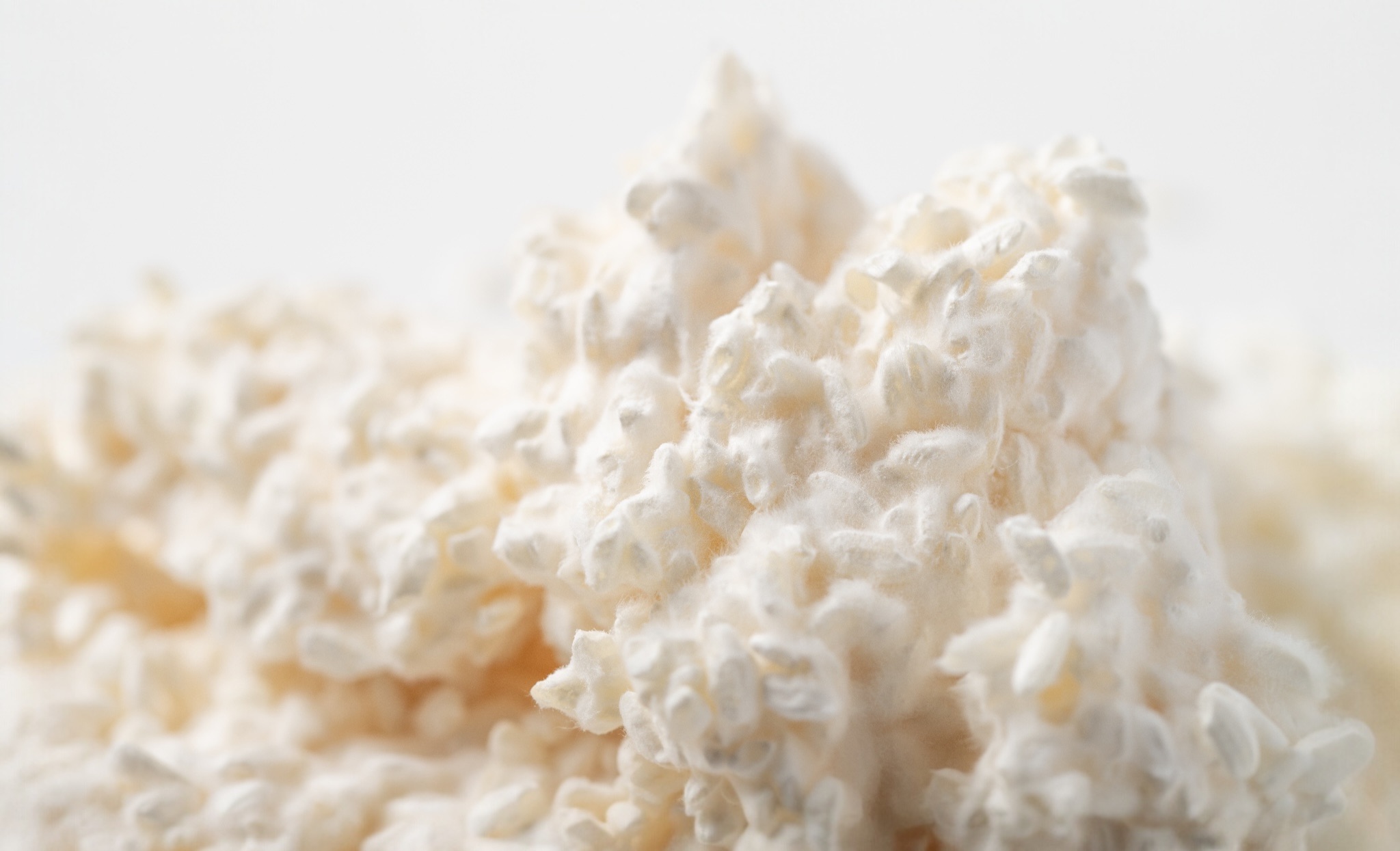
Fermentation is a technique that uses microorganisms such as koji molds, yeast, and lactic acid bacteria to transform ingredients and bring out new flavors.
In Japan, in particular, a rich culture of fermentation using koji mold developed over many centuries. Beginning with “hishio,” an early fermented seasoning documented as far back as the Nara period (8th century), koji has played a central role in producing many of the seasonings that support Japanese cuisine, including sake, soy sauce, miso, and mirin. In recent years, products such as shio koji (salt koji) and shoyu koji (soybean koji) have also become increasingly popular, using koji itself as a seasoning.
The development of this koji culture is closely connected to Japan’s natural environment.
Japan has four distinct seasons, a warm and humid climate, and is surrounded by the sea—conditions that are well suited to the growth of koji mold.
In contrast, many parts of Europe have relatively dry climates, where fermentation traditions using lactic acid bacteria, such as cheese and yogurt production, developed more extensively. Traditionally, cultivating koji mold in such dry environments was not easy.
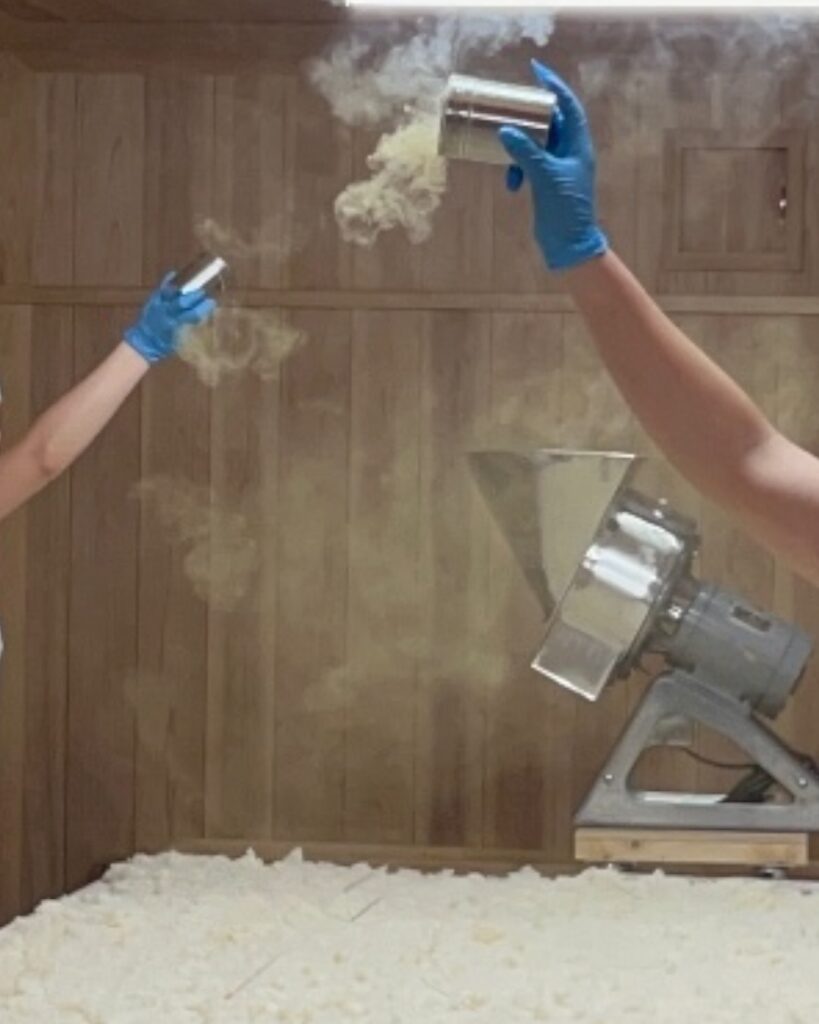
Today, however, advances in technology, including fermentation chambers and controlled cultivation equipment, have made it possible to grow koji mold almost anywhere in the world. I believe this is one of the major reasons why koji culture has begun spreading so rapidly overseas.
Different Ways of Thinking About Koji
One of the most important roles of koji mold is to produce a wide variety of enzymes.
These enzymes break down starches into sugars and proteins into amino acids, creating sweetness and umami. The activity of these enzymes changes significantly depending on the surrounding environment, including temperature and pH. Creating and maintaining the right environment is therefore one of the most important roles humans play in the fermentation process.
In Japan, koji has traditionally been used with a focus on the power of these enzymes.
Outside Japan, however, a different idea has emerged: using the koji mold itself as a new ingredient.
For example, there are dishes in which koji mold is grown on a bed of bread dough, with caviar placed on top of the resulting network of fungal mycelium. There are also startups attempting to cultivate koji mold in large quantities, turn the fungal biomass into a paste, and shape it into meat alternatives.
While we Japanese have traditionally made use of the enzymes produced by koji, chefs and food innovators overseas are exploring ways to use the fungal biomass itself as a food ingredient. This difference in perspective is fascinating and suggests new possibilities that Japanese people might not have thought of ourselves.
Of course, some types of mold can produce harmful toxins. However, the koji mold traditionally used in Japan, Aspergillus oryzae, has been shown through genome analysis not to produce toxins such as aflatoxin, providing scientific support for its safety.
Today, many books about fermentation are being published overseas, introducing ways of using koji and creating fermented foods that would be difficult for us Japanese to imagine. Every time I see these new ideas, I feel that we Japanese cannot afford to be left behind.
The Future of Fermentation Culture
Miso, soy sauce, mirin, vinegar, sake—
These are the products of fermentation that have helped form the foundation of Japanese cuisine. In particular, it would not be an exaggeration to say that the emergence of soy sauce played a decisive role in shaping the direction of Japanese cuisine over the past two centuries.
But this does not mean that the story is complete.
Japan still has enormous potential to create new fermented seasonings and new fermented dishes. Preserving tradition is certainly important, but I believe that creating new value based on that tradition is also one of the roles we Japanese should embrace in the years ahead.
Even when the day comes when koji and fermentation are used as naturally around the world as they are in Japan, that will not be the end.
I hope that we Japanese will be the ones to create the next generation of fermentation culture.
We are moving from an era in which the world learns about Japanese fermentation to an era in which Japan proposes new forms of fermentation culture that have never existed before.
I believe that continuing to create the “Unknown” is what will shape the future of Japan’s fermentation culture.