On ”Marine Day,” Japan’s national holiday celebrating the ocean, I’d like to share a story about one of the country’s most remarkable coastal traditions.
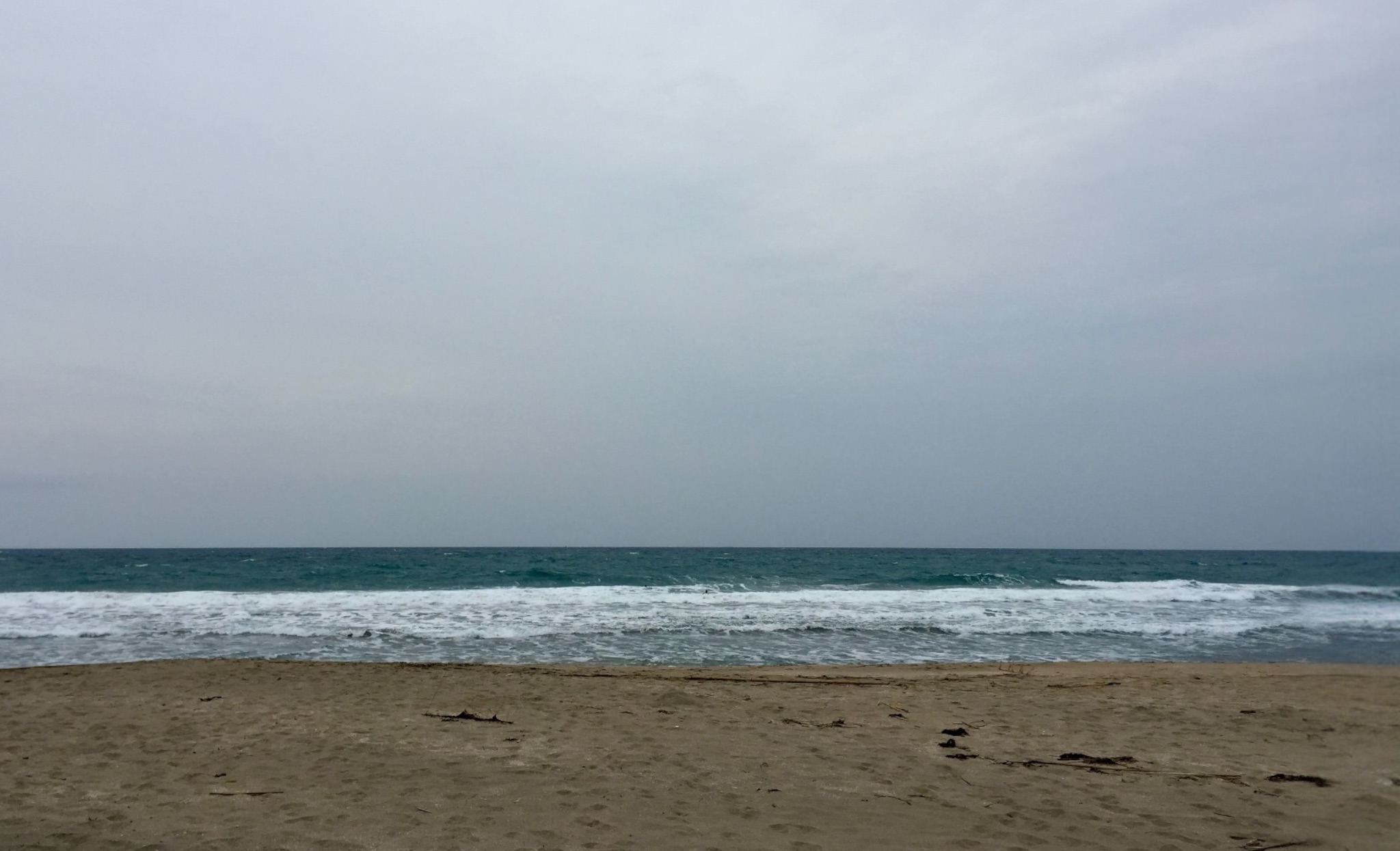
Although Chiba Prefecture lies just east of Tokyo, it is surrounded by the sea on three sides and has long been blessed with abundant seafood. Along its rugged Pacific coastline, particularly in the Minamiboso area, ”ama”—Japan’s traditional female free divers—still harvest shellfish and seaweed by hand.
In the Kotto district of Chikura, these divers continue to wear the traditional white cotton diving garments known as ”isogi,” rather than modern wetsuits. Why would they choose not to wear clothing that would keep them warmer and allow them to stay underwater longer? The answer reveals a fascinating philosophy about living in harmony with nature.
Choosing Tradition to Protect the Sea
Today, many ama divers throughout Japan wear wetsuits, much like those worn by surfers, to help retain body heat while diving. In Kotto, however, the divers have deliberately preserved the tradition of wearing simple white cotton “isogi.”
At first glance, this may seem impractical. After all, wetsuits make it possible to stay underwater much longer.
But that is precisely the point.
By limiting how long they can remain beneath the surface, the divers naturally limit how many abalone and turban shells they can collect in a single outing. Rather than maximizing today’s catch, they choose to protect these precious marine resources so they can continue to thrive for future generations.
When I first learned this, I was deeply impressed. It is a way of thinking born from generations of living alongside the sea—accepting a certain amount of inconvenience in order to preserve nature’s abundance.
The Simple Tools and Wisdom of Ama Divers
Before entering the water, the ama carefully fit their diving goggles and tow a wooden floating barrel behind them. A net is attached to the barrel, allowing them to place the shellfish they gather inside while they continue diving. From the shore, only the floating barrel is visible, marking where an ama is working beneath the waves.
Some dives reach depths of nearly 10 meters (about 33 feet), requiring not only physical endurance but also years of skill and experience. Beginners often find that simply learning to dive comfortably is challenging enough.
Even after finishing their dives, the work isn’t over.
As they make their way back across the rocky shoreline, the ama continue gathering whatever nature offers. They collect ”hijiki” seaweed and ”tengusa,” a type of seaweed used to make agar, placing them in the same net as their shellfish. The seaweed helps keep the abalone and turban shells moist during the walk back, while also becoming an additional source of income. It’s a simple but ingenious example of making the most of nature’s gifts.
The Ama Hut: A Place to Warm the Body and Rest the Spirit
After returning from the sea, the divers gather in an ”ama-goya,” or ama hut.
When I visited, a large traditional hearth burned in the center of the hut. The divers sat around the fire, chatting as they slowly warmed themselves after hours in the cold ocean.
They explained that the body becomes much colder than most people imagine after free diving. Going straight home without properly warming up could easily lead to illness. For generations, the rule has been to stay in the ama hut until the body is thoroughly warmed—often enough to break into a sweat—before returning home.
Older divers continue to pass this custom on to younger generations, caring for one another’s health as much as they care for the sea itself.
The Best Way to Enjoy Chikura’s Abalone
Chikura is known for several varieties of abalone, including black abalone and ”megai” (red abalone). Another variety, ”madaka abalone,” has unfortunately become extremely rare today.
Abalone is delicious served as sashimi or gently steamed with sake, but my favorite preparation is ”isoyaki,” or grilled abalone in its shell.
After removing the meat from the shell, cleaning away the liver and mouth, and slicing it into bite-sized pieces, I spread a slightly sweet miso paste over the top and grill it in the shell. The aroma of the sea mingles beautifully with the rich fragrance of the miso, creating one of the simplest—and most satisfying—ways to enjoy fresh abalone.
A Shrine Dedicated to the God of Cooking
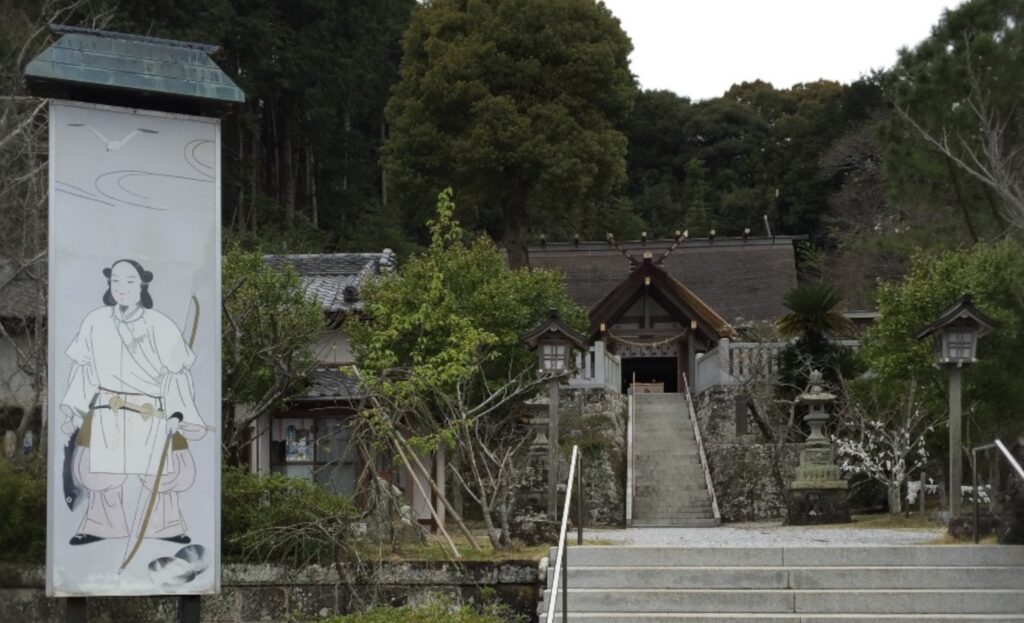
Chikura is also home to Takabe Shrine, one of Japan’s very few shrines dedicated to the deity of cooking.
The shrine enshrines Iwaka Mutsukari no Mikoto, who appears in the ancient chronicle Nihon Shoki (Chronicles of Japan). According to the text, nearly 1,900 years ago he presented Emperor Keikō with ”namasu”—a dish of finely sliced bonito and white clam.
This historical record suggests that the waters around Chikura have been rich in seafood since ancient times.
Chiba’s Spring Brings More Than Seafood
Chiba is also famous for its bonito, with large catches landed each year at Katsuura Port. In spring and early summer, another local specialty comes into season: ”soramame” (broad beans, also known as fava beans in the United States).
Although the strong sea winds make it difficult to grow many crops along the coast, broad beans thrive in these conditions.
The sea has shaped Chiba’s food culture for centuries, but it is the wisdom of the people who live beside it that makes this region truly special.
The next time you visit Japan’s coast, I hope you’ll look beyond the beautiful scenery and think about the generations of ama divers who have carefully protected the sea’s bounty—and the remarkable culture that continues to flourish because of them.